 As we’ve already seen (Taxation: The First 10,000 Years) taxation as been around as long as humans have gathered in groups of more than one. It is one of the two absolute certainties of life. Not only that, but, throughout most of history, the financial arrangement between the taxer and taxee has remained the same. In essence, I, the taxer will determine how much tax you will pay and when; you, the taxee, will pay it. Also, I, the aforementioned taxer, will spend the money any way I please, and you, the aforementioned taxee, will shut up about it and go back to work. It wasn’t an optimal system, but it served us well for thousands of years. In that time, there has only been one fundamental change to the tax structure — but it was a biggie. Around 250 years ago, a bunch of wealthy Virginia famers got together with a crew of Boston lawyers and compared notes. They took a look at their W2s (or the colonial equivalent) and said, “Hey! Wait a minute! That’s our money. We’re not getting half the good stuff we’re paying for. What’s the deal? Come on, George! Treat us right or give us back our sixpence.” They convinced the local populace that taxation without representation was tyranny, a novel idea at the time, but one whose time had apparently come. After the revolution, the American experiment with democracy and taxation with representation caught on. For the next 200 plus years, it was the ideal (with a few notable exceptions) that most societies strove for. That was then; this is now.
For the last several years, we have been going through another fundamental  change in our tax structure. We are slowly turning taxation with representation into representation without taxation. This metamorphosis hasn’t been as abrupt as the American Revolution but it is taking just as firm a hold on most western societies. The will of the people to determine just how and why their money is spent is being eroded to the point that representative democracy itself is at stake.
You don’t have to look any further than last year’s Occupy Whatever! movement. This fair weather protest, with its Eat the Rich branding slogan, shifted our society back into a class warfare skid. The influence of several thousand vocal protesters vastly outdistanced their financial ability to pay for the changes they sought. Now, eight months later, on the verge of another protest season, taxing the rich has become a mantra in most government circles. Agree or disagree with the Occupy Movement; their ability to set the political agenda is a game changer. Yet their contribution, in terms of sheer numbers alone, is minimal.
 It works the same with non-profit organizations. They are increasingly using the money they raise not just to fund their organization and the work they do but also to directly influence lawmakers for legislation favourable to their cause. The National Rifle Association is a perfect example of this; so, too, is ACORN, regardless of what they’re calling themselves this week, or the Keystone Pipeline lobby which is trying to leverage both sides of the political spectrum. But that’s the point: single issue politics, fueled by tax-deductible donations, have found a way to punch far above their weight class in the halls of power. The problem is these one trick ponies aren’t interested in the common good; they simply want to protect their particular interests. That’s why they’re called special interest groups, and their influence is growing. Lobbyists in America now outnumber lawmakers!
This is happening all over the western world. In Canada, the Fraser Institute, a declared conservative think tank produces right wing policy papers while denying any political agenda. Tides, a Canadian subsidiary of an American environmental group, has focused its vast resources on local elections, targeting candidates unfavourable to its cause. Both of these groups enjoy tax exempt status! In France, vocal and violent farmers have parlayed their small numbers into enough power to receive far more in agricultural subsidies than they ever pay in taxes. This financial support is not only paid for by the general public, but it is also keeping food prices artificially high. The ripple effect of this incedible arrangement is being felt throughout the European Union, and to a lesser extent the entire world. Also across Europe, public service unions, whose wages and benefits are paid for by tax revenues, are increasingly waging war against austerity measures meant to stave off national bankruptcy. Again, one-issue politics are trumping the common good.
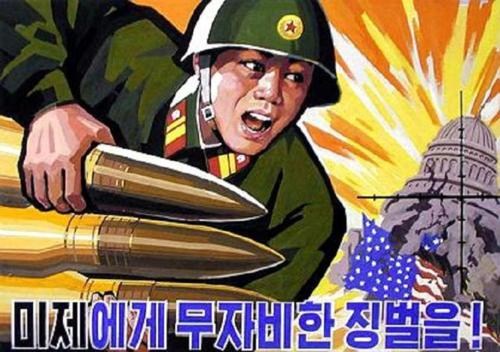
As this new idea of representation without taxation gains credibility in our  society, the results will be disastrous. With no financial stake in the game, who will care how much money is spent or on what? Waste means nothing when somebody else is picking up the check. Even as we speak, we’ve already mortgaged our children and grandchildren to maintain a non-renewable lifestyle. And all those pet projects of all those groups with loud voices and serious financial backing are taking precedence over the mundane work of government. Sewers aren’t sexy.
This is a new tyranny, built on the ubiquitous special interest group. Like the splendid kings of old, they don’t care where the money comes from. They want their monuments built. They see it as their right to have what they want, when they want it. And, like those splendid kings, they will bankrupt our society with their excesses.
Friday: How the New Tax Structure Works



 WD Fyfe