 For those of you who are still keeping score on the Arab Spring, it’s Democracy 2 – Dictators 1 — and everybody else undecided.
In Tunisia, the Jasmine Revolution is still being propelled by daily protests. The caretaker government is keeping the country together – so far – and elections should be held this summer. The main problem is that the gulf between the urban European north and the rural Arab south is widening. This has actually created a political vacuum. At this point, the Islamists haven’t made any significant gains, but, unfortunately, nobody else has, either. There are still serious threats to this fragile process, but now that the world’s eyes are turned elsewhere, the Tunisians have a good chance of settling their own affairs and moving slowly — but directly — to democratic reform.
In Egypt, the people have voted overwhelmingly in favour of constitutional change; presidential and parliamentary elections could come as early as September. The military, who are the real bosses, are busy trying to figure out how to keep the process going without turning power over to the mob (read Moslem Brotherhood.) Meanwhile, some old scores are being seriously settled, and that violence may continue. However, the pro-democracy people are working hard to form an urban coalition beyond Mubarak’s old regime — without much success. The most immediate and serious problem in Egypt is the tourist industry has collapsed. The result is huge unemployment numbers and no hard currency coming into the economy. This alone could kill democracy long before it ever gets to the ballot box.
In Bahrain, as predicted, the minute the Western media tur ned its back, the king called in the troops (in this case, the Saudis — so there was no fear of the military changing sides) and the street battle was over within hours. The protesters were driven out of Pearl Square, with some loss of life. The country is now under martial law. Everybody on both sides is keeping a low profile, and any talk of political reform is strictly forbidden – now and in the future.
In literally every other country in the region there is some sort of political unrest — including the most unlikely of places: Syria and Iran. In Damascus, the relatively recent protests have been met by a government response that has escalated from whistles and batons to teargas and bullets in less than a week. In Tehran, and across Iran, the nights are still haunted by anonymous voices echoing “Allah Akbar” into the darkness, in a two-yea r-old protest against that country’s corrupt elections. In Yemen, President Saleh denies he ordered the military to open fire on protesters, but dozens were killed, and the bullets had to come from somewhere. In Jordan, the protests are still peaceful but they’re continuous — and the crowds are getting bigger. In Morocco, the people remain in the streets as King Mohammed VI has both promised reform and threatened a crackdown. Time may be running out on both these royal houses. And this brings us to our old buddy, Muammar, and the situation in Libya.
Muammar Gaddafi has been a pain in the ass on this planet ever since he seized power in Libya in 1969. He has thrown bags of money at every terrorist group he could get his mitts on. He financed IRA bombs in Britain, Red Brigade kidnappings in Italy and had his hand in just about every other terrorist attack in Europe for the last 30  years. He has provided weapons and training to every psycho who came calling — from Abu Nidal to Abdelbaset al-Megrahi. At one time or another he’s managed to piss off just about everybody — except maybe the Pope and the Dalai Lama (and that’s only because they have to forgive him.) He’s been kicking sand in the face of every Western country for decades, and there isn’t one of us who hasn’t been waiting for a chance to slap the crap out of the guy. Last Friday, March 18th, the United Nations flicked on the green light. The Security Council passed Resolution 1973, which authorizes a “No Fly Zone” over Libya. In our eagerness to get a few licks in before anybody can change their mind, I don’t think we gave much thought to the consequences of our actions. We just attacked him.
For those of you who haven’t got the time to read the entire U.N. Resolution, let me summarize it for you. Basically, it says this: “We, the undersigned, are going to rain fire and hell on anything in Libya that moves faster than a donkey cart, so stay off the roads and out of the sky. After that, we’re going to hang around forever, taking a bunch guff from both sides, while the situation deteriorates into chaos. Even though we have overwhelming military superiority, we don’t have the political will to fix things, once and for all. Eventually, we’re going to get tired and bored and go home for a while. In a couple more years, we’ll come back — with boots on the ground — to try and correct our original mistakes. At that point, a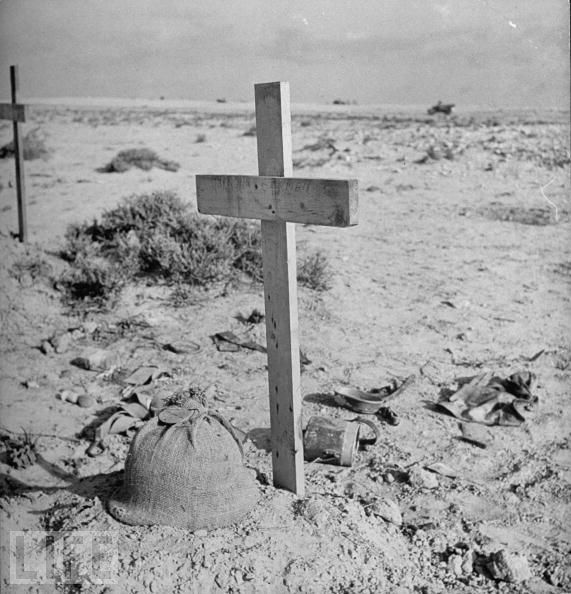 lot of young people are going to die. If anybody has any illusions about this situation, take a look at Iraq, circa 1991, when another U.N. coalition wasted an opportunity to get rid of a dictator because a U.N. resolution didn’t authorize it.”
That’s it — in a nutshell. Without a lot of serious help, which includes ground troops, the rebels simply aren’t strong enough to topple Gaddafi, and he isn’t going anywhere voluntarily. On the same page, do we even know who these rebels are? For a people’s army of barbers and shopkeepers, they certainly seem to know what they’re doing militarily. Who’s running the show in Benghazi? And finally, how are we going to know when this is over?
So, again, if you’re keeping score, it’s Democracy – 2 Dictators – 1. And the U.N. has dropped the ball in Libya, so we’ll all be going in to a long and bloody unnecessary overtime.






 WD Fyfe