 According to the Global Commission on Drug Policy, after fighting for nearly fifty years, we’ve lost the war on drugs. I don’t know what the terms of surrender are, but I imagine they’re going to be written on some really cool paper with unicorns and rainbows in the margins. Actually, I didn’t realize the war was still going on. I thought we’d won when Bill Clinton refused to inhale. Goes to show ya, I’m old enough to be out of the loop when it comes to the recreational use of anything.
The major question is how did we lose? After all, serious substance abuse isn’t all that pretty to watch. I had a friend who literally turned green after six months on a steady diet of coke, diet coke and not much else. What started out as a weekend binge ended up as a determined lifestyle. My buddy went from a grade A student nerd, interested in the new world of binary mathematics, to an after midnight zombie, feeding on late night infomercials and horror movies. I don’t know what finally happened to him, but the last time I saw him, he did that weird, slow fade thing with his head when he looked at me and asked if I could give him some money. I did, and I’ve felt guilty about it ever since.
There’s no upside to drug abuse, so how did the dealers win and the losers use – oops — the users lose. The answer is easy. We did a few things wrong.
First of all, like idiots, we lumped marijuana in with all the nasty bastard stuff. 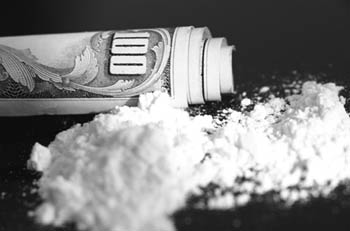 That made the whole war on drugs just a joke. Anybody who’s ever had even a casual acquaintance with the grey smoke knows that it’s the most benign of the illegals. It’s hard to get behind a battle, body and soul, when the enemy was a pretty good friend back in high school and university and still comes around sometimes on the weekend to watch a movie or play some music and chill. The general public has never been committed to eradicating marijuana use. Obviously, they don’t want some stoner running the nuclear power plant, but they don’t really care if Tony and Cherie have a toke on Friday night and go dancing — or sit around in the privacy of their own living room and watch Thelma and Louise. By throwing everything in the same illegal basket we wasted billions of dollars and expended huge resources chasing the wrong criminals. While guys like Pablo Escobar and Amado Fuentes were running around, playing Robin Hood and soaking North America in cocaine, law enforcement agents were burning grow-ops and busting teenagers. Ass-backwards, I’ll grant you, but what can you do?
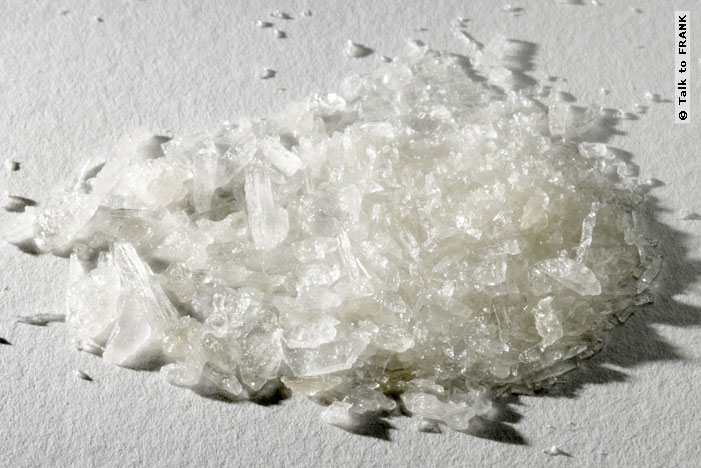 Secondly, mainly because of the idiocy of marijuana prohibition and the powerful lobby that came out of that, we decided, for the most part, drug use was a victimless crime. In fact, the prevailing wisdom was that it wasn’t actually a crime at all; it was a social problem caused by the usual suspects: poverty and ignorance. We then recruited an army of social workers and threw the whole mess in their laps. It wasn’t until much later that we realized the error of our ways. By that time, it was far too late to restructure the system to deal with the ever-increasing list of victims (who weren’t supposed to be there in the first place.) And now the myriad of social services we created have a vested interest in maintaining the victimless status quo. Nobody seems willing to connect the dots between meth, crack and heroin and theft, robbery and prostitution – except, perhaps, law enforcement. Unfortunately, we forgot to tell those folks what we were up to with the victimless crime thing. They were under the impression that illegal drug use was a regular crime like all the other ones. They acted accordingly — complete with those archaic 19th century penalties nobody bothered to update. In a nutshell, the cops were doing their job without any support from the rest of the social structure. And as with Prohibition, ninety years ago, they lost public support.
Finally, the biggest reason we lost the war on drugs is we screwed up and made  recreational drug use socially acceptable. Right from the time of Easy Rider and Cheech and Chong, up to and including Harold and Kumar, drug use has been a nudge-nudge, wink-wink activity. Like the amiable drunk from the 50s (Otis from Andy of Mayberry comes to mind) drug use is considered comic, even funny. It still carries a whiff of rebellion, but it’s considered relatively harmless. Even the hardcore drugs carry little or no social stigma. Should they? I’m not sure, but the reason we’re winning the war against tobacco is because smoking is no longer socially acceptable. We don’t arrest people for smoking. We don’t fine them, jail them or treat them like criminals. All we do is go “Ewww!” and wave our hands frantically in the air. The use of tobacco (one of the most addictive and dangerous drugs on the planet) is steadily declining in North America.
Personally, I hope the war on drugs isn’t over. Perhaps we can’t win, but with a little ingenuity, we can at least battle some of these heavy duty blood suckers to a standstill. I’d like to see some of the misery they’ve caused ended, some of the neighbourhoods they’ve destroyed restored, and some of the lives they’ve ruined, reclaimed. Like most people in this country, I don’t care if Tony and Cherie roll a bomber (or whatever they call it these days) now and then — legally or not. But I would like to see some sanity in our drug laws, some stiff penalties for the dealers we’ve grown fat on addiction and some resolute assistance for those among us who are trapped by it.