
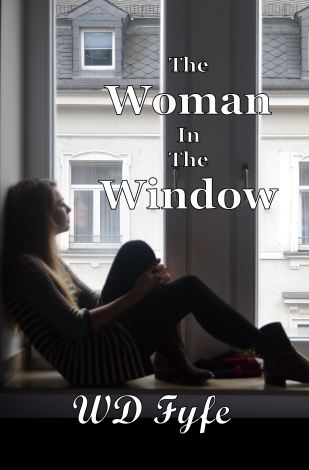
 OMG! We’ve gone global! The Woman In The Window is now available at Amazon as both a paperback and a Kindle eBook in the US, the UK and Europe. It’s also available as a Kindle eBook in Australia, Mexico, India and Japan. Wow! This is great.
I want the very best for this literary child of mine. I want thousands of people to read it (millions would be nice, but ….) I want it translated into 14 languages — beginning with Dutch. I want 3 of the stories to be made into major motion pictures (guess which ones!) starring Ethan Hawke, Ruth Wilson and Amy Schumer (in her first dramatic role.) I want people to read it on buses, boats, trains and airplanes. I want people to take it on vacation and on business trips. But mostly, I want what every writer wants: I want The Woman In The Window to become somebody’s birthday present, or Christmas present or Hi-I-Was-Just-Thinking-About-You present. That means my stories are good enough for your friends, and if that happens, I’ve done my job. Then I can die happy. (No pressure!)
So, if you read The Woman In The Window, I hope you find something there that touches you — makes you think, makes you wonder. But if you do read it, please, please, please give it a review on Amazon — the good, the bad and the ugly — even if it’s only a single word. There’s nothing worse for an author than indifference.
There are too many links to list them all here (that’s what going global means.) However, if you want to find The Woman In The Window, maybe just look inside and see what you think, go to Amazon in whatever country and search “wd fyfe.” You’ll find me, The Woman In The Window and a few of the stories that are in the book. You can “Look Inside” as long as you want. I hope you like what you read.
And Amy Schumer — if you’re reading this — give me a call.
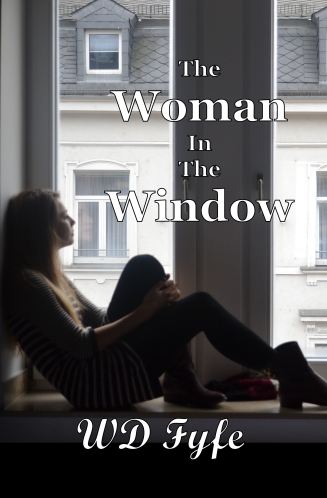 The Woman In The Window is not about relationships. It’s about the delicious ache in the bottom of your belly — that sweet primeval that won’t go away; the wolf of our emotions, hungry and hunting. These eight tales are about people who have been living their lives cocooned in their accumulated habits, but suddenly, by chance or by choice, they travel beyond the reach of their familiar world. Without the thin cloak of everyday life around them, they find themselves alone in the wilderness, trying to understand whether they are prey or predator.
 What this planet needs is Big Word Day. One day a month (I suggest the first Monday) when we’re allowed to use those big godawful words that make us all sound like pompous asses. Then, at midnight, everybody has to go back to talking (and writing) like regular people. Big Word Day would not only clear the air of pretentious language, it would shorten business meetings, reduce government bullshit and keep corporations from drowning us in doublespeak policies, warranties, guarantees and disclaimers. (What’s the difference between a warranty and a guarantee, anyway?) I know big words are tempting and I’m as guilty as the next person, so I understand why we like to sound as if we just stepped off Oxford Common — but it’s getting out of hand. We don’t buy things anymore; we purchase them. We don’t help; we facilitate. We don’t think; we conceptualize. And — horror upon horrors — we don’t talk; we verbalize.
 WD Fyfe