 Apparently, the Fox Network is going to cancel House. I have never seen the show. No, I’m not a television snob who only watches PBS, nor do I have a philosophical disagreement with scripted TV. I just didn’t watch it in the beginning, couldn’t figure it out in the middle and wasn’t willing to give it any time after it had passed its prime. Over the years, literally thousands of TV shows have slipped past me this way. By the time my friends convince me that the drama is riveting or the comedy hilarious, the program is two or three seasons deep and already going stale. I usually tune in just in time to catch nothing more than saggy dialogue, lame insults and baggy clichés. Sometimes, I go back and find a program’s broadcast youth in hit-and-miss syndication, but mostly I don’t, and I doubt if I will with House. Grumpy medical people haven’t intrigued me since Doctor Gillespie. Anyway, House was born, lived and is now going to die without us ever becoming friends…oh, well! It had a good life.
Actually, House is an exception: most television programs don’t have a good life. If they are bad, they die young. If they’re good and nobody watches them, they die young. If they are bad and tons of people watch them, they’re still bad and become a running joke (a la Gilligan’s Island.) Plus, everybody from the executive producer down to the teenage viewer spends the rest of their lives trying to live down their association with that piece of trash. However, the worst thing that can ever happen to a television show is that it’s good and tons of people watch it. Only the very best programs can survive that kind of success, and most of them don’t.
Aside from a few excellent aberrations, really good TV is based on character and writing. All you have to do is look at the CSI franchise to figure that out, and while Miami Vice kinda needed Miami, it could have just as easily have been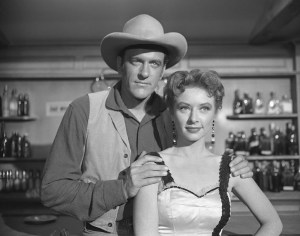 Malibu or New Orleans. This is the way it’s always been, since the dawn of television. Even way back in black and white days, 77 Sunset Strip and Hawaiian Eye weren’t that much different, and everybody knows that Star Trek was just Wagon Train with short skirts and phasers. Good characters make good TV, and good writing makes good characters. However, this is also exactly what makes good TV go so horribly bad.
In the world of television, professional writers pour miles of work (and paper!) into creating characters. They put them into storylines that let them shine and give them clever things to say. The sole purpose of this is to make these 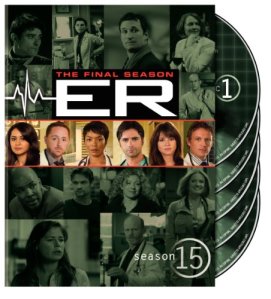 characters interesting enough that we, the audience, come back next week to see them again. It’s a hit-and-miss proposition, but when it works, a television show becomes successful. The characters become our television friends — witty, sexy, smart, comical, caring or just plain cool – in short, everything we wish our real friends were but never are. After all, who would you rather have a drink with, Lucy, the smart chick from Alcatraz or your idiot sister-in-law? No contest!
Unfortunately, this is also the problem: once these imaginary people become our friends, nobody wants to get rid of them. The producers, directors and technical crowd — right down to the guy who pours the orange juice — have a good gig going. They’re not going to kill the goose that’s laying the golden eggs. Furthermore, the advertisers don’t care if we’re watching dancing Bavarian mud monkeys — as long as the audience numbers are up. And the writers will sell 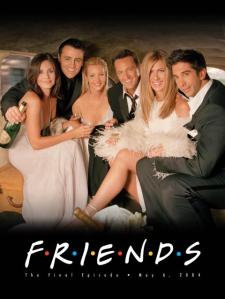 their own mothers before they start the whole process over again. After all, it probably took them ten years to sell this idea. So the characters keep hanging around, long after the professional writers (who mostly suffer from acute, undiagnosed ADD, anyway) have run out of imagination. The stories go flat and repetitive. (How many ways can everybody love Raymond, for God’s sake?) They generally outlast themselves by two, three or five years and keep staggering along, like wheezing pensioners looking for the Rest Home. Either that, or the writers, sensing imminent unemployment, go nuts and call in the aliens or reinvent someone’s parent as a gratuitous celebrity to eke out another season or two. And that’s how most good TV shows die, shadows of their former selves, alone and abandoned by everyone (often, even the original cast) only the most loyal fans remaining. As old friends will, we sometimes come back for the last episode, like hangers-on at a funeral, but mostly we’ve gone on to other things enthralled by our new friends who are young and exciting.
Now that I think about it, maybe it’s too bad I missed House completely. From the looks of things, it was probably an intelligent, interesting program. After all, the producers were smart enough to retire the old boy before he was literally on his last legs.

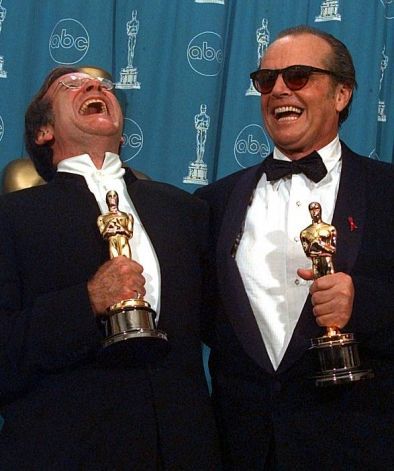 The Academy Awards are over for another year. What a joke! The one bright spot was Neil Patrick Harris and he’s still getting pummelled across Social Media. Quite frankly, at 87, Oscar is showing his age. It’s like going to visit your aunt at the Seniors’ Centre and discovering it’s Crafts Night. Suddenly, you’re up to your ass in hideous homemade crap, and you’ve got to figure out something nice to say. This year’s Academy Awards were as big a disappointment as they have been for the last decade, but then Oscar has always been a bit dotty. (Remember: Ben Affleck has gotten the statue — twice!) Here are just a few of the Academy’s major malfunctions.



 WD Fyfe