You might not know it, but I also write serious fiction — and I’m damn good at it. Recently, I’ve been working on The Woman in the Window, a series of short stories about relationships and how they sometimes work and how they sometimes don’t. The first story, “Scars” was published in Quality Women’s Fiction (UK) a few years ago. This week, I’ve published the next six stories, and they’re available worldwide on Amazon Kindle. Here’s a preview with links to each complete tale. Check them out. You’ll probably be surprised. Writers live by feedback, so if you read these, please leave a review, even if it’s only a couple of words. If you like them, please tell a friend.
—————————————————————————————————————————
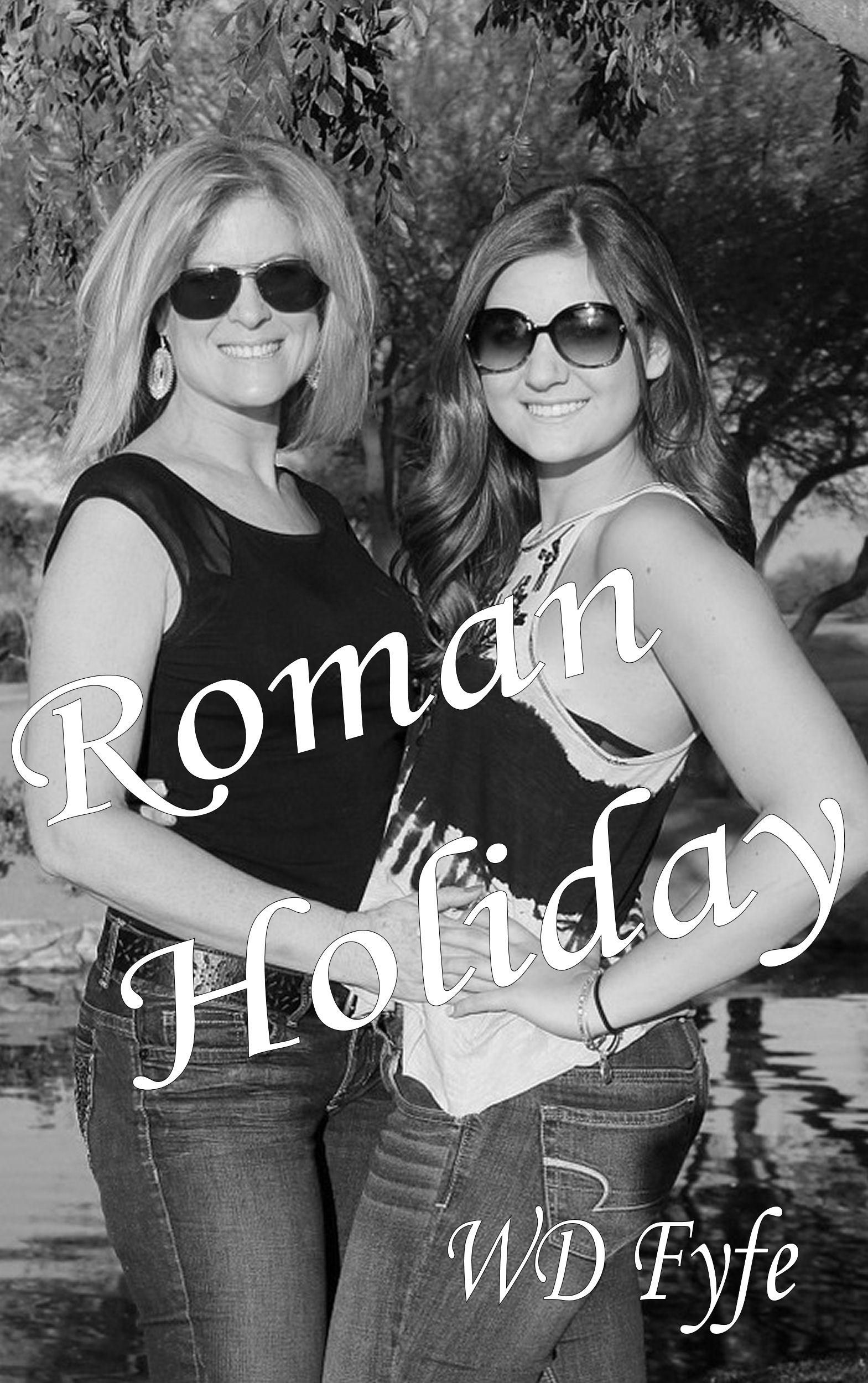
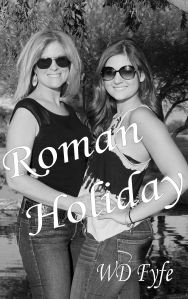 We all make decisions that change our lives, but a chance meeting in Rome gives Denise a second chance to evaluate what she did as a young woman and an opportunity to explain it — if only to satisfy herself.
Roman Holiday
She loved the look of the street at night. Deep dark, patched together with dull blocks of light from the shops and restaurants; the street lamps and traffic lights sliding over everything that moved. Everyone down there slowly settling in after feeding the tourists. The bustle gone and the real sounds and noises of the city finally drifting up to her as the foreigners got safely tucked into their beds. Not that she minded tourists; she didn’t. Even after all these years (how many had it been? – twenty) they still reminded her of home. Although home didn’t really mean home anymore. Home really didn’t mean anything. This was home. That was home. When you spend your whole life on vacation, anywhere is home. In all, she preferred Paris, but Rome was Rome and she owned the apartment and she was four floors up over Via Cavour, and you just can’t get a bad bottle of wine in Italy. Besides, it was a beautiful warm summer night, and somewhere down there, mingled in the thinning crowd were Mr. and Mrs. Brian Wilcox, whom she would forever and always call Cat and Willy. Cat and Willy had been lost, left behind with everybody else in Vienna when they all got on the train for Frankfurt and she waved good bye and got on with her life. Vienna — all their kisses and good wishes washed over by time. Those powerful adolescent tears long dried and slowly vanished away until finally there weren’t even Christmas cards to betray their existence. She lifted her glass into the night and wondered what she was going to do.
Available on Amazon Here
—————————
 We are who we think we are; it’s easier that way. However, when Lester B. Taylor goes to Paris to write a history book, he is seduced by the City of Lights and finds that what he thinks he is, might just be a veneer he’s learned to believe.
A Simple Thing
On a chilly, grey December morning, Lester B. Taylor readjusted his life and decided to go home. That’s not strictly true. What he decided was he couldn’t go back to the apartment; home was just the logical alternative. And if he had to go home, he had to re-become what he was, or at least what he had been, before Paris. He couldn’t very well show up like this. Most everything else was just cold and godawful in the light of day. So he just sat there with his coffee and cigarettes like a hideous hangover that occasionally winces its regrets.
Available on Amazon Here
—————————
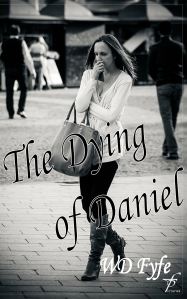 The problem with normal is we accept it without ever really understanding what it looks like. For Susan, normal was a shadow just out of her reach — until the trauma of death answers the one question her normal life wouldn’t let her ask.
The Dying of Daniel
She had decided the dying of Daniel was no big deal. She’d heard ugly rumors about it all spring from her mother, who, bored with her father’s company, would telephone “just to say hello” and spread the usual gossip. “He’s not good, you know, dear,” her mother had warned. But then, her mother was always warning her about something. So the final telephone call was unexpected but no shock. Yet, between calling work, a minor shop when she discovered her assortment of little black dresses were all a little too little for a funeral and getting Jake and the boys combed, cooked and cleaned for a week, she did find she had tears. Middle of the night, kitchen table, glass of brandy tears. But then she put them away and was on the road the next morning.
Available on Amazon Here
—————————
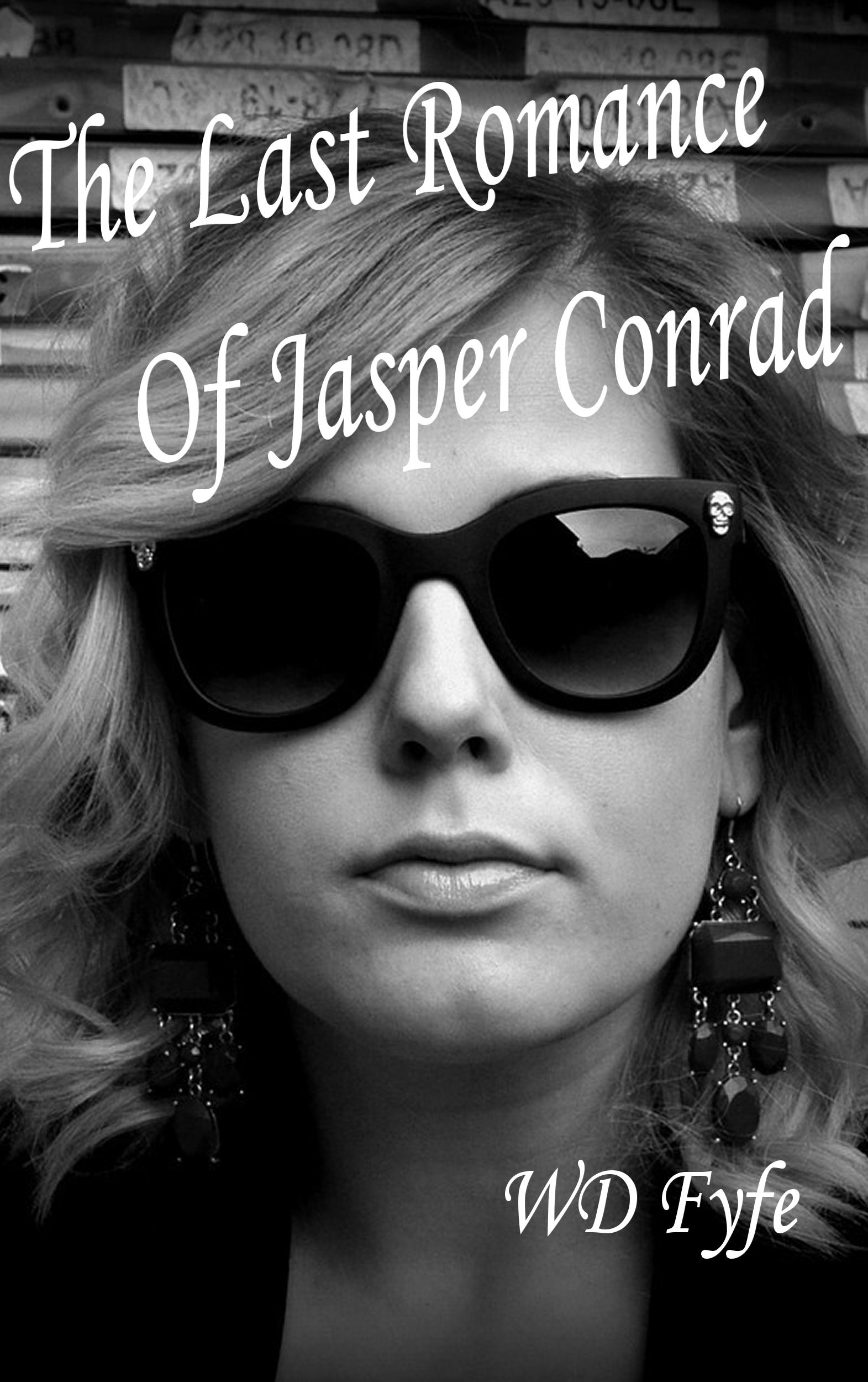
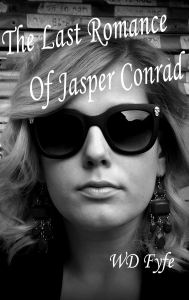 Frances is ordinary, and she knows that. However, she still thinks there’s supposed to be something more to her life. The problem is she has no idea what she’s looking for — until she thinks she’s found it.
The Last Romance of Jasper Conrad
It was deep in the season. It was going to be hot, summer folding over itself like thick white chocolate pouring from a bowl. For now, the sun, slow and luxurious, filtered through the trees in sparkled shades of green and — was it citrus or gold? Where the breezes were, light, like little silver fairies, danced and played, chasing themselves across the paving stones and into the garden. At least, that’s how he saw it. He sat on the edge of a neat row of starched breakfast tables with his back to the hotel. He drank his coffee and looked out into the trees and down the broad stone steps that led to the sand and the sea. In the color and shadow he couldn’t tell what was light and what was movement, so what he thought he saw, he didn’t actually see — at least, not until the top half of her seemed to rise out of the blue water. She stepped up the stone steps and stopped at the top, dropped her shoes, and awkwardly, one-leg pretty, tried to brush the wet sand off her feet.
Available on Amazon Here
—————————
 We all outgrow the fairy tales we grew up with, but do we really? Or do they remain forever on the unseen edges of our personality? For one woman, they are haunting emotions that she has chosen to ignore — until now.
Final Vinyl Cafe
It was nearly morning when the light woke her. It was a strange light that fanned out across the ceiling. Then she heard the articulate thump of car doors. She was awake then; fully awake, so she could distinguish steps in the gravel. Two sets — one heavy, one light.. The big light from the motel courtyard shadowed through the room. She felt their presence, noiseless black and white, and she heard them, at the door. Closing it, locking themselves in. The erotic sounds of scuffling in the dark. Right next door, beside her, some few inches from her face. She listened, heart still in the darkness, willing her body motionless to hear. There was nothing for a long time; then the full fine groan of the bed. She relaxed and sat up slowly. She felt her feet touch and settle on the carpet. She sat still for a moment, not to wake him. His breathing was heavy and even.
Available on Amazon Here
—————————
 Thomas Wolfe said You Can’t Go Home, Again, but maybe you can — you just have to be careful what you’re looking for. When Jonathan goes back home to look for a young man named Jonny, he discovers that sometimes you need to let sleeping dreams lie.
The Bookstore on Elliott Street
There was a bookstore on Elliott Street. It was half as wide as it was long, with three slender aisles and books on shelves stacked higher than a woman could reach. It had a big window and a wooden glass door that was brown, and the paint was peeling until he repainted it. It had stairs in the back that went up to an apartment that sat on the tops of the trees and overlooked the street. He knew it was there. He hadn’t dreamt it. So why couldn’t he find it? For a few moments he stood stupid in the sun, shielding his eyes in the brilliance. His memories were different. They were rainswept and cold: the pavement headlight shiny and slick with traffic lights; the buildings granite and bitter moss green; the trees bony and small, their tough little fingers digging into the sky. And the low clouds were angry grey, with an early darkness so heavy they bowed the heads of the people walking underneath them. It was always deep into autumn on Elliott Street and always late in the afternoon. Just in case, he checked the street name.
Available on Amazon Here
—————————
 Now that Playboy magazine has renounced nudity, it’s become an easy target — a misogynist relic of the 20th century — more silicon than substance. Perhaps. I don’t know. Like most people, I don’t actually read Playboy anymore, so I’m in no position to judge. However, I do know this. If you’re over 35 and not dead, you’re part of the massive impact Playboy has on our society.




 WD Fyfe