 When I was a kid, I loved travel programs. In my teenage years, I must have spent a month of crappy Sunday afternoons going places I’d never been. I’m not one to brag, but aside from North Korea, there are not too many places my electronic friends and I didn’t see on this little planet of ours. Yep, those were the days; slinging my pack around the world that wasn’t even in colour yet. Ah, but the innocence of youth is fleeting, and even though I continued to watch travel programs, when I grew up, I resolved to see these marvelous places for myself. On the first trip I ever took that required a passport, I discovered almost immediately that those wonderful television personalities I’d befriended over the years were a bunch of lying bastards. Their sanitized version of getting from here to there is Nixonesque in its duplicity. Even the mighty Pinocchio himself would be scandalized by such fraud. So, as a public service to all those other armchair travellers out there, I’m going to point out a few things about these charlatans.
Let’s start at the beginning. Where’s their luggage? Gandhi carried more stuff  than these guys do. Nobody on travel TV, not even the kids who are supposedly backpacking through central Asia, ever carries anything bigger than a handkerchief. Then the smug buggers have the audacity to tell the rest of us how to pack! They hold up a bag the size of Paris Hilton’s purse and say something like, “I like to put everything in my carry-on; a few interchangeable items to mix and match, toiletries, and, of course, a good pair of walking shoes.” But notice: they never actually try to stuff that stuff into the bag. No, it’s always a cut to the next scene — when they’re rolling it off the Eurorail like it was made of Styrofoam. If you and I packed like that, after a week, we’d look like we’d been attacked by monkeys. The mix and match would be what do I want to wear today: stained or soiled? And that’s not the end of their chicanery.
Every single hotel, motel, hostel and people’s home they stay at has a view to rival Victor Emmanuel’s balcony in Rome. They always find these marvels on some crooked side street that you couldn’t Google if you wanted to because it doesn’t even have a name it’s so quaint. The place is never full, nobody else is at the counter when they check-in, and the room itself looks like the good bits of Kubla Khan’s Pleasure Dome at Xanadu. These palaces never smell like cabbage. I’ve stayed in a few places in my time, up to and including a converted telephone exchange, but I’ve never run across such earthly delights. I’ve never even met anybody who has, and I run with some of the worst braggarts this side of Texas. But wait! These folks aren’t finished yet.
 The next morning, they wake up to a breakfast that would make Gordon Ramsey clean up his mouth. It turns out the owner’s brother is a Cordon Bleu chef who gave up cooking for the crowned heads of Europe to help his sister run her B & B. (Who knew?) Not only that, but it seems this is the one week of the year when aardvark is in season, and the bro is planning an aardvark fiesta for that very night! (What are the chances?) Meanwhile, a troupe of traditional musicians who have been rehearsing in the basement of the Florentine church across the street, just happen to love aardvark. And it goes on and on.
It never rains in television travel land. The wind doesn’t blow. It might do that misty cloudy thing you write poetry about, but you never see a gut-wrenching storm come slashing out of nowhere when you’re eight miles from shelter.
It’s never crowded, either. There are no lines for the Eiffel Tour, the Crown Jewels or (I assume) the Second Coming. It’s hop on/hop off at every tourist attraction from the Great Buddha at Kamakura to the Brandenburg Gate.
Nobody’s rude. Everybody’s interesting. There are no jerks in faraway lands, and certainly no idiot tourists busy poisoning the water for the rest of us. It’s all one big Disneyland with a foreign accent.
 I realize that television, by its very nature, is the willing suspension of disbelief. I understand that you can’t build a half hour program around waiting in line to see the Mona Lisa. I’ve written for TV. It’s show ‘em what you’re going to say; don’t tell ‘em. The nuances tend to get lost. However, there should be disclaimers on travel TV or some explanation that the intrepid kid looking at the camera has an army of invisible sherpas, sweating the details. There’s a huge difference between going somewhere with a producer, director and camera crew — and you and the boyfriend grabbing a flight to Bangkok off the Internet. Honestly, if you’re going to distribute travel information, at the very least, it should be useful. For example, why is there never a travel program that tells you: “Dragging 25 kilos of laundry around India is stupid. Clothes are cheap there. Buy as you go.” Or “Restaurant X serves Mystery Meat, keeping looking.” Or, every once in a while: “Hey, folks! Don’t come here. It sucks!”
Now, that would be information you can use.
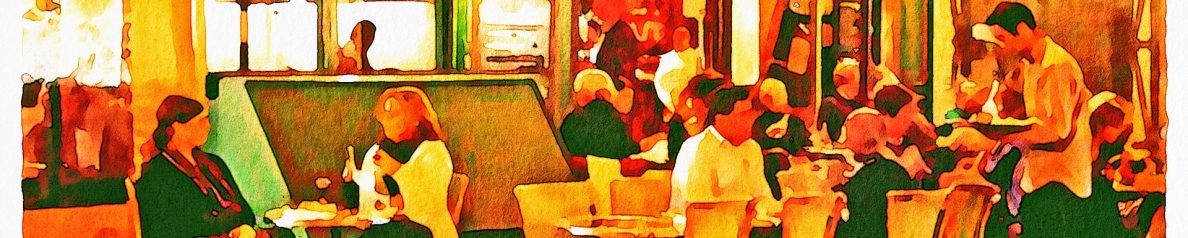
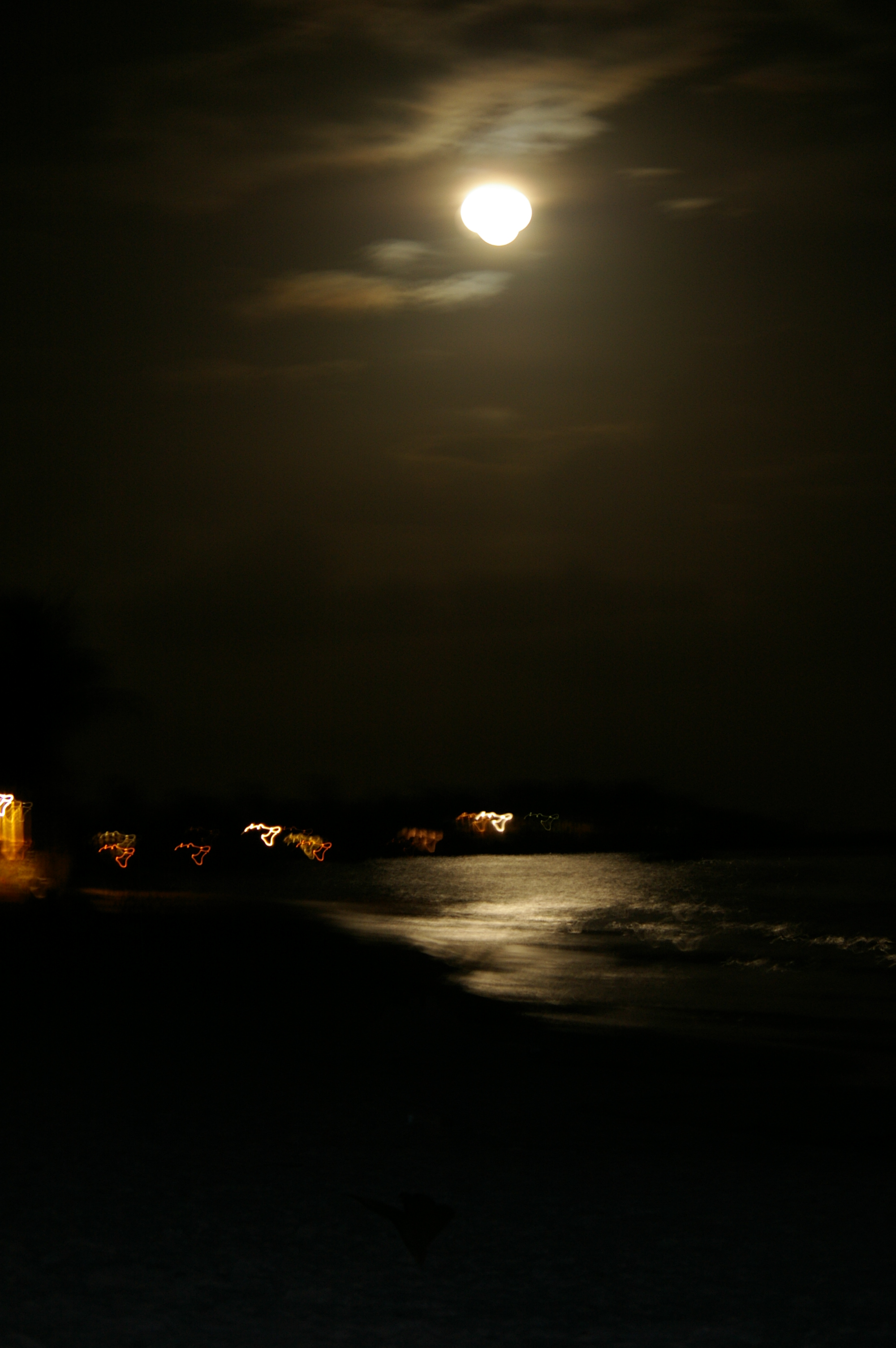
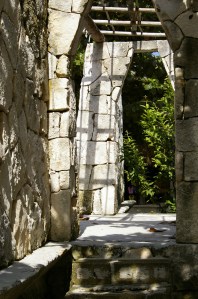
 Mexico isn’t just drug deals and shootings. At the risk of turning a beautiful little village into a swamp of tourists, here are some pictures of Akumel, on the Yucatan peninsula. It’s south of Cancun on the way to the Mayan ruins at Tulum. It was one of the first places Spanish tourists came to in the 16th century, but now it’s kinda lost in the Mayan Riviera. If you like it, don’t tell anybody.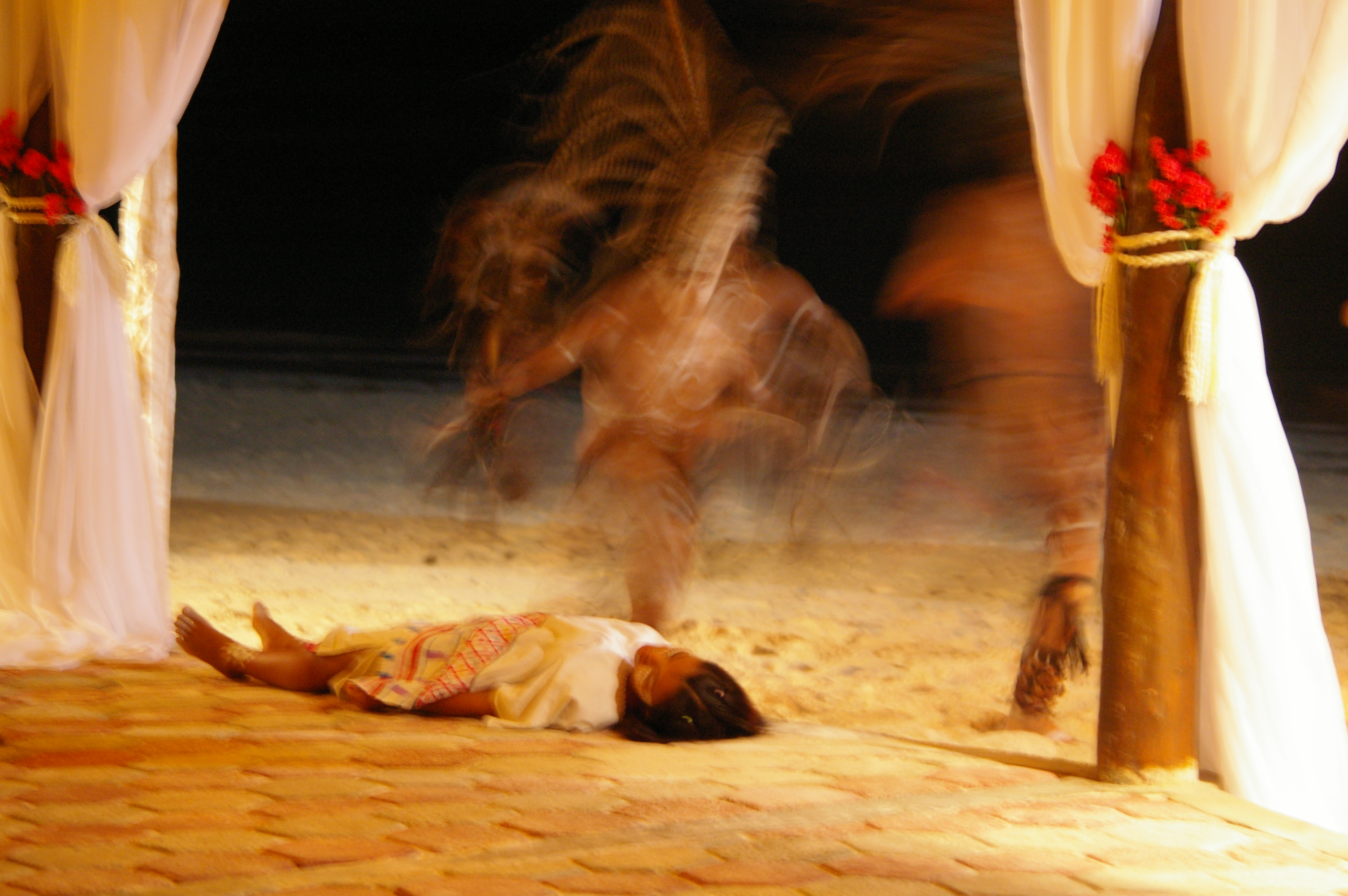





 WD Fyfe